Chamarel
Situated amidst the lush western hills along the west coast of Mauritius, Chamarel is a small highland village in the Riviere Noire District. Chamarel is known for its laidback atmosphere and breathtaking landscapes characterised by rolling hills, cascading waterfalls and coffee plantations. Highlights of this stunning destination include the beautiful beaches of Mauritius, and the Seven Coloured Earth dunes. Other must-see attractions include the 83-metre-high Chamarel Falls, considered the most spectacular waterfalls in Mauritius; the Black River Gorges National Park featuring dense rainforest and a variety of protected fauna and flora; and the Rhumerie de Chamarel, an eco-friendly rum distillery.
The Rhumerie De Chamarel
In the South West part of Mauritius, in the heart of a fertile valley, lies the Rhumerie de Chamarel. Situated in the vicinity of the “Coloured Earths of Chamarel”, one of Mauritius’ most popular tourist attractions and the place to visit while in Mauritius, the road leading to the Rhumerie is lined with vast plantations of sugar cane growing side by side with pineapples and other tropical fruits.
Perched 300 meters above the coast of South West Mauritius, the Rhumerie de Chamarel lies in a fertile valley influenced by its own micro-climate. A truly unique tourist attraction, it encompasses a distillery and an agricultural plantation on an eco-friendly estate.
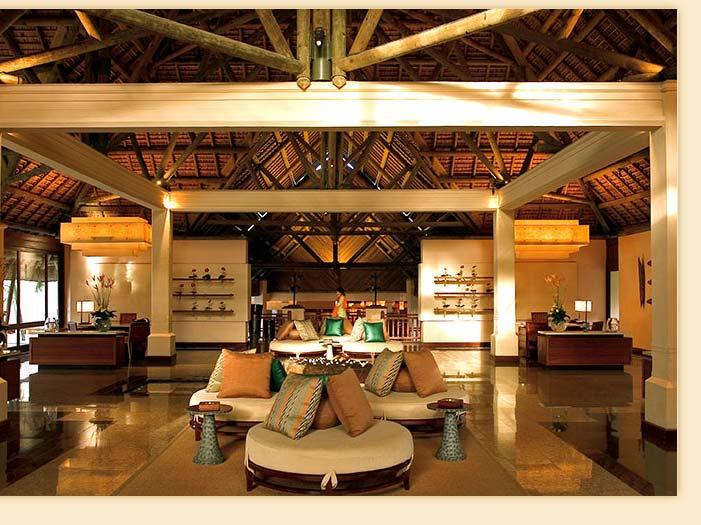
One of the distillery’s strong points is that it was designed to provide a holistic tourism experience to guests. Mauritian architect Maurice Giraud has created a building that blends harmoniously with the spectacular surroundings. Wood, natural stone and water provide a sense of communion with nature, turning the distillery into one of the most beautiful factories in the world. Another strong point of the distillery is that it was created to produce the finest rum.
Experienced guides will take you behind the scenes to provide a thorough explanation of the rum making process while you visit the distillery.
Mauritius South Coast
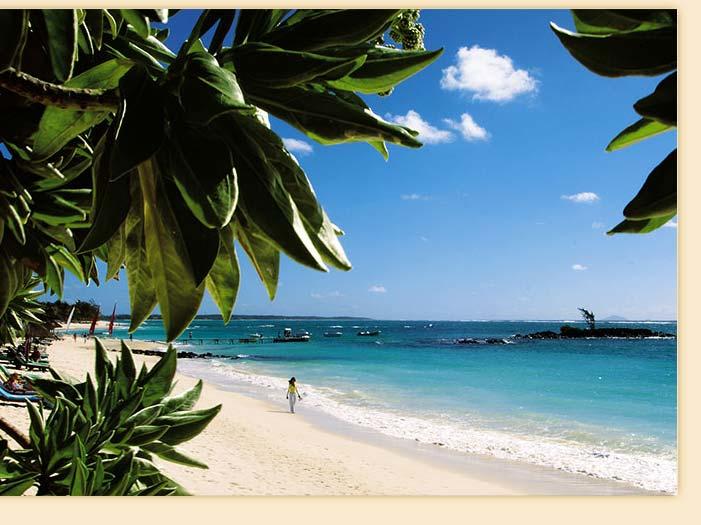
The southern coast of Mauritius is said to be the most scenic part of Mauritius. This quintessential island paradise is known for its pristine stretches of white-sand beaches lapped by crystal-clear calm waters. Visitors can soak up the spectacular tropical scenery as they explore the magnificent South Coast. There are a variety of wonderful scenic attractions along this popular route such as: a number of historic island villages and fully equipped upmarket resorts; the small island of Ile aux Aigrettes; and Le Morne Peninsula which features a number of luxury hotels, excellent beaches and the renowned Le Morne Brabant Mountain, a renowned UNESCO World Heritage Site. Popular activities include: swimming, snorkelling, diving, lazing on picture-perfect beaches and sampling the delicious local Indian-style cuisine.
Grand Baie
Once a sleepy little fishing village, Grand Baie (Grand Bay) has developed into a thriving tourist town on the north coast of the island of Mauritius. This popular resort serves as a convenient base for travellers exploring the rest of the island, offering a number of designer boutiques, fine restaurants, beach bars and nightclubs. Aside from relaxing on the exquisite white-sand beaches of the bay, visitors can enjoy a variety of outdoor activities including swimming, scuba diving, sailing, water-skiing, deep-sea fishing, windsurfing, kitesurfing, parasailing and even submarine excursions. A spectacular range of marine animals inhabits the crystal-clear waters here.
Port Louis
Sandwiched between the glistening Indian Ocean and a natural amphitheatre of unusually shaped mountains, Port Louis is the capital and the main port of the exquisite island nation of Mauritius. This bustling, character-filled town is known for its attractive French colonial architecture dating back to the 18th Century. Must-see attractions include the colourful central market, the beautifully manicured Jardins de la Compagnie, and the impressive Pamplemousses Botanical Garden, known for its giant waterlilies and giant tortoises. There are also two cathedrals, a mosque, a Chinese casino, some 18th century barracks, and an interesting natural history museum. Don’t miss the Caudan Waterfront complex offering a shopping centre, a children’s play area, and a large food court serving a variety of local and international culinary options.
The Tea Route
Awaken your five senses as you discover the making of teas, rum, vanilla, essential oils – and as you stroll down the exotic gardens of the Bois Cheri tea plantation. You will visit the “Domaine des Aubineaux” and its gardens. Domaine des Aubineaux is a colonial house built in 1872, which has been converted into a museum dedicated to the history of Mauritian Tea. Following the visit to the garden you will have a short break in the famous Tea room and enjoy the delicious local tea. The tour will continue with a visit to Bois Chéri which is the second stop in the Mauritian Tea Route tour. The Bois Chéri is the first and biggest tea producer in Mauritius, operating since 1892.
After a guided tour of the factory, you will discover the history of tea while visiting the tea production museum. You will then continue you tour to the third stop of the Tea Route – the Saint Aubin house. Built in 1819, this colonial house has been converted into a restaurant where lunch will be served.
Belle Mare
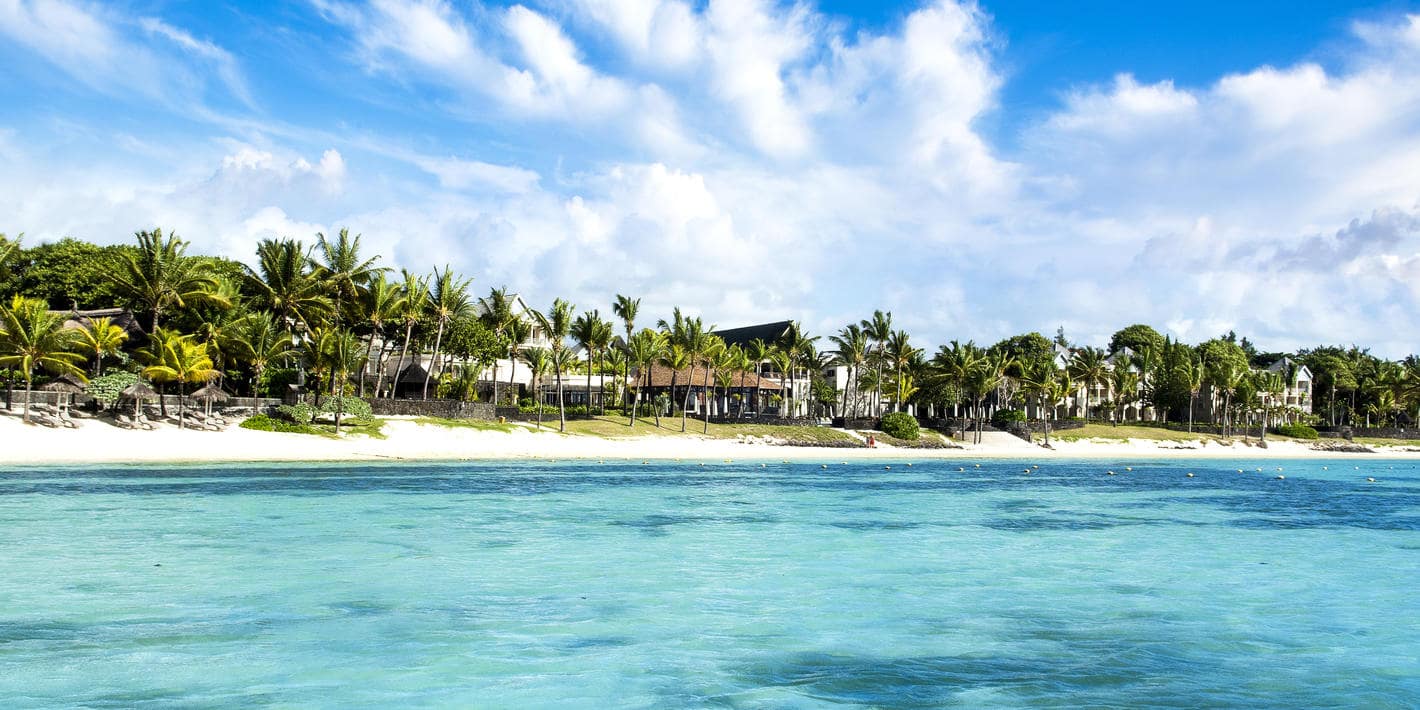
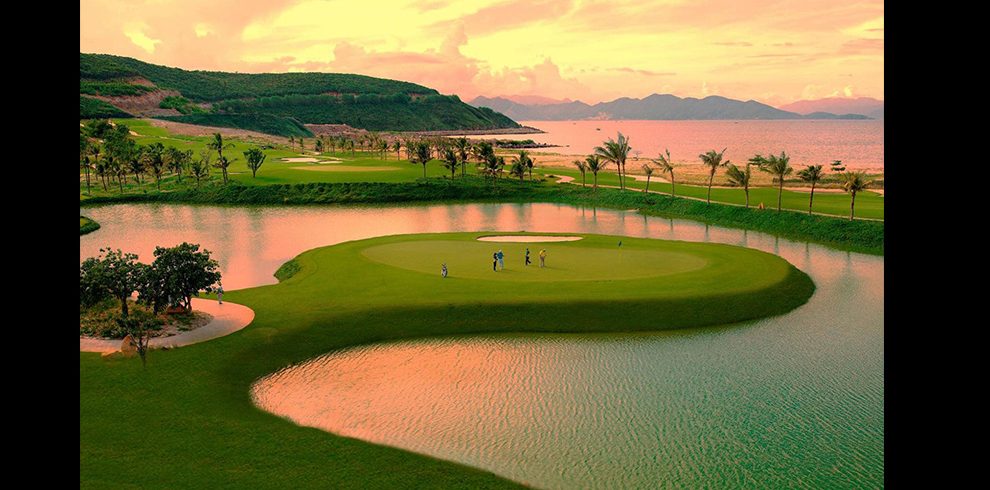
Stunningly beautiful Belle Mare Beach is one of Mauritius’s most desirable __cpLocations, featuring scores of coconut palms and evergreen trees, snow-white sand and a deep, calm bay. The beach is best visited during the week when it is relatively quiet; it’s a favourite spot with locals so can get crowded on weekends. There is a wide selection of hotels and restaurants along the beachfront and for avid sportsmen, the area also boasts two excellent golf courses – a 9-hole and 18-hole course.